Loading...
Serving Walla Walla, WA and surrounding areas. (509) 516-0681
If your home was built before modern insulation standards, it is likely costing you money every month. Retrofit insulation adds coverage to your existing home without tearing out walls or disrupting your life.
Retrofit insulation in Walla Walla means adding insulation to a home that is already built - without tearing out walls or doing a major renovation - by blowing or injecting material into attics, crawl spaces, and wall cavities through small access points, with a standard attic job typically completed in a single day.
Walla Walla experiences both cold winters and hot summers, which means your home's insulation has to work hard in both directions. Many homes in the city - particularly in the older neighborhoods around downtown and in College Place - were built in the 1940s through 1970s under standards that allowed for far less insulation than what is recommended today. If your home is more than 40 years old and has never had insulation work done, there is a real chance you are losing a significant amount of energy every month through your attic and crawl space floors. Good retrofit work always starts with air sealing before any new material goes in - if you are also focused on the attic ceiling plane specifically, our attic air sealing service handles that step.
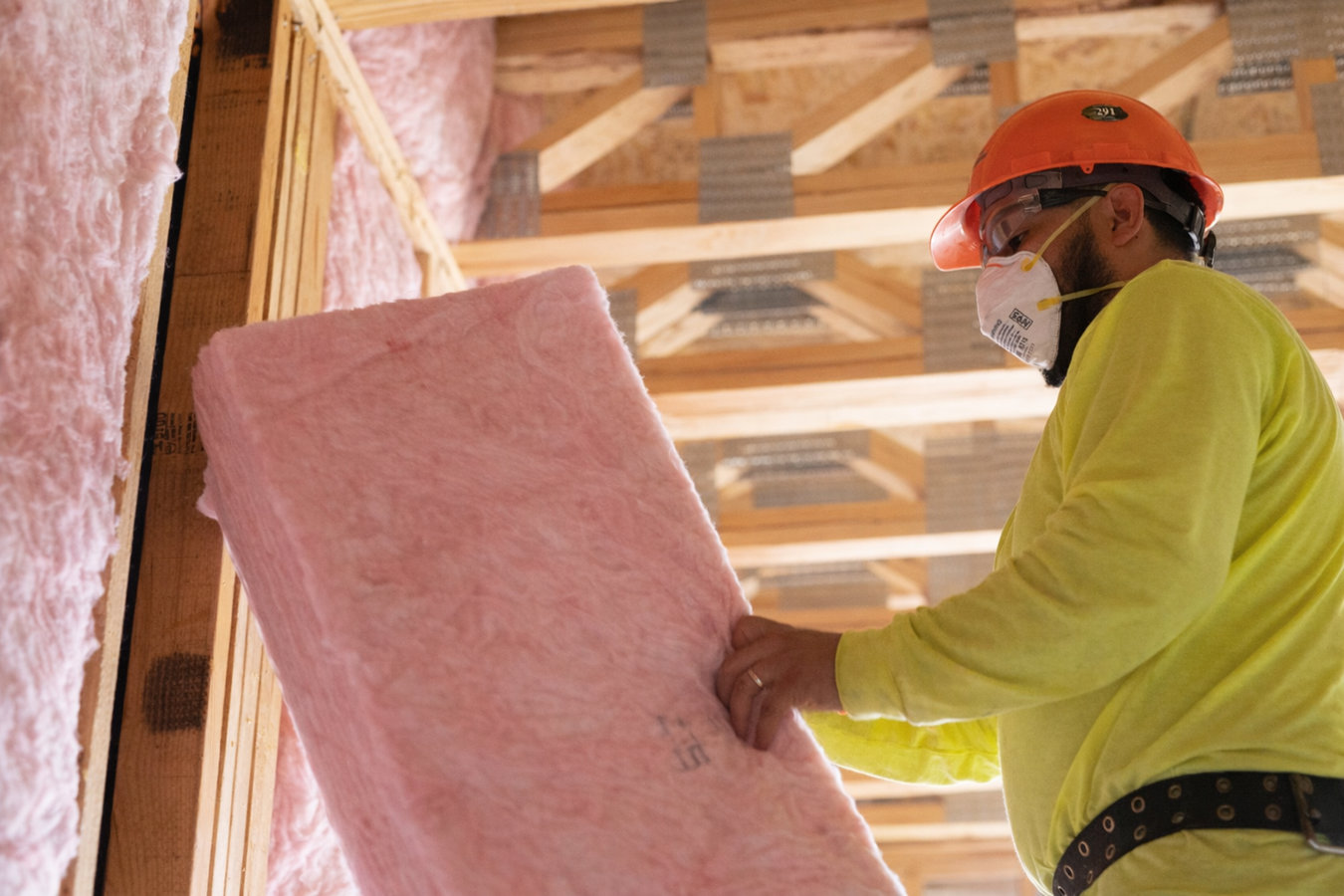
The most common materials in retrofit work are blown-in fiberglass and blown-in cellulose - both are installed using a hose fed through an access point, so the work is done quickly and cleanly without opening your walls. For areas where a tighter seal is needed, spray foam is also an option. The U.S. Department of Energy recommends higher insulation levels for Walla Walla's climate zone than many homeowners expect, because the area faces both cold winters and hot summers.
If the second floor of your home becomes noticeably hotter than the main floor during Walla Walla's long, hot summers, your attic insulation is likely the problem. Heat from the sun bakes your roof and pushes down through an under-insulated attic ceiling into your living space. This is one of the most common complaints from homeowners in older Walla Walla neighborhoods, and it is one of the most reliably fixable problems retrofit insulation can solve.
If you walk across your floors in January and feel a chill coming up from below, your crawl space is probably letting cold air into your home. Walla Walla winters are cold enough that an uninsulated crawl space can make the entire lower level of your home uncomfortable even when your heating system is working hard. This is a sign that your crawl space floor and walls need attention.
If your heating or cooling bills have crept up over the years - or if they seem high compared to similar homes - poor insulation is one of the first things worth investigating. Avista Utilities offers an online tool that lets Walla Walla customers compare energy use to similar homes in the area, which can help you see whether your home is using more than it should. If the numbers are off, your attic and crawl space are worth a look.
Homes built in Walla Walla before 1980 were constructed under older standards that allowed for far less insulation than what is recommended today. If you have owned your home for years and cannot recall any insulation work being done - or if the previous owners never mentioned it - there is a good chance your attic and crawl space are significantly under-insulated by current standards. A quick assessment from a local contractor will tell you exactly where things stand.
We start every retrofit job with an assessment of what is currently in place - measuring depth in the attic, checking coverage in the crawl space, and looking for any air sealing gaps that need to be addressed before insulation goes in. Sealing first is not optional: insulation alone does not stop air movement, and if warm air from your living space can still flow freely through gaps, the insulation above those gaps does very little to help. That step is included in our scope, not treated as an add-on.
We work with blown-in insulation - fiberglass and cellulose - as the primary material for attic and crawl space work, and spray foam insulation for rim joists, irregular cavities, and areas where a tighter air barrier is the goal. Every job includes written documentation of what was installed and where - useful for Avista rebate applications, federal tax credits, and future home sales.
Best suited for homes where the primary heat loss is through the attic - we air seal first, then blow in material to bring coverage up to recommended levels for Walla Walla's climate zone.
Best suited for homes with cold floors in winter or visible moisture concerns under the house - insulates the floor joists above the crawl space and addresses any damp conditions at the same time.
Best suited for older Walla Walla homes with empty wall cavities - small holes are drilled in the siding or interior wall, material is blown in, and holes are patched so the change is nearly invisible.
Best suited for homeowners who want to address the attic, crawl space, and walls in a single project - the most comprehensive approach to improving a home's thermal performance without a renovation.
Walla Walla sits in a semi-arid climate zone where summer temperatures regularly climb above 95 degrees and winter lows can drop into the teens. That means your insulation has to work hard in both directions for more months of the year than in milder Pacific Northwest climates. Homeowners in Walla Walla and surrounding communities like College Place often notice the problem most in summer when upstairs rooms become unbearable, but the same insulation upgrade that fixes summer comfort also cuts heating bills in winter. The Walla Walla Valley's extensive agricultural irrigation adds another layer to crawl space work specifically - homes near irrigated farmland, vineyards, or orchards can have elevated soil moisture under the foundation even during dry summer months, which makes proper crawl space insulation and moisture management a genuine priority rather than an optional upgrade.
A large share of the housing stock in Walla Walla was built between the 1940s and 1970s, during an era when insulation requirements were minimal. Many of these homes - craftsman bungalows near Whitman College, brick homes near downtown, ranch-style houses throughout established neighborhoods - have attics and crawl spaces that have never been touched since original construction. The ENERGY STAR program rates homes on their insulation and air sealing performance - and most pre-1980 Walla Walla homes score poorly by those standards. Avista Utilities offers rebates that can meaningfully offset the cost of upgrading, which makes the timing of a retrofit project worth thinking about carefully before the next heating season arrives.
We ask a few basic questions - your address, the age of your home, and what is prompting you to call. Most Walla Walla insulation projects can be scheduled for an in-home assessment within a week or two. Expect a reply within one business day to confirm your appointment.
We visit your home and look at your attic, crawl space, and any other areas you are concerned about. We measure what is already there, check for air leaks or moisture issues that need addressing first, and walk you through what we found. The visit typically takes 30 to 60 minutes.
You receive a written proposal covering exactly what will be done, what materials will be used, and the total cost. We also note whether the project qualifies for Avista rebates or federal tax credits and what documentation we will provide. No pressure to sign - take your time.
The crew arrives, protects your floors, and installs the insulation. A standard attic job typically takes two to four hours - the insulation starts working immediately after installation. Before leaving, we walk you through the finished work and hand you the documentation you need for rebates or tax credits.
Free estimate, no pressure. We reply within one business day and work with Avista's rebate program so you capture every dollar you are eligible for.
(509) 516-0681Many contractors skip air sealing and go straight to blowing in insulation. We do not - because insulation alone does not stop air movement, and if your attic floor still has gaps, the insulation above them does not perform at its rated value. We seal first on every job, and that step is included in your estimate, not billed separately.
Every retrofit project starts with a free written estimate that spells out the scope and the cost before any work begins. We document the work we complete on each job, so you know exactly what was added to your home and where. No surprises, no guesswork.
Avista Utilities offers rebates for qualifying insulation upgrades, but the paperwork has specific requirements - materials, coverage depth, and pre-approval steps that vary by project type. We know those requirements because we have worked through them on Walla Walla projects before. We document each job correctly from the start so your rebate check arrives without a back-and-forth over missing information.
Every job finishes with written documentation of what was installed, where, and to what depth. That paperwork matters for Avista rebates, federal tax credits, and future home sales - a buyer or inspector asking about insulation gets a clear answer. You are not left wondering whether the work was done as promised.
These are the details that separate a job done right from one that looks complete but leaves problems behind. Every point above is something you can ask about before you sign anything.
Two-component spray foam for tight spaces and areas where blown-in material is not the right fit, including rim joists and irregular cavities.
Learn MoreLoose-fill fiberglass or cellulose blown into attic spaces and wall cavities - the most common material used in Walla Walla retrofit projects.
Learn MoreFall slots fill quickly - lock in your date before the cold arrives and your heating bills spike. Avista rebates and federal tax credits may reduce your cost significantly.