
Loading...
Serving Walla Walla, WA and surrounding areas. (509) 516-0681
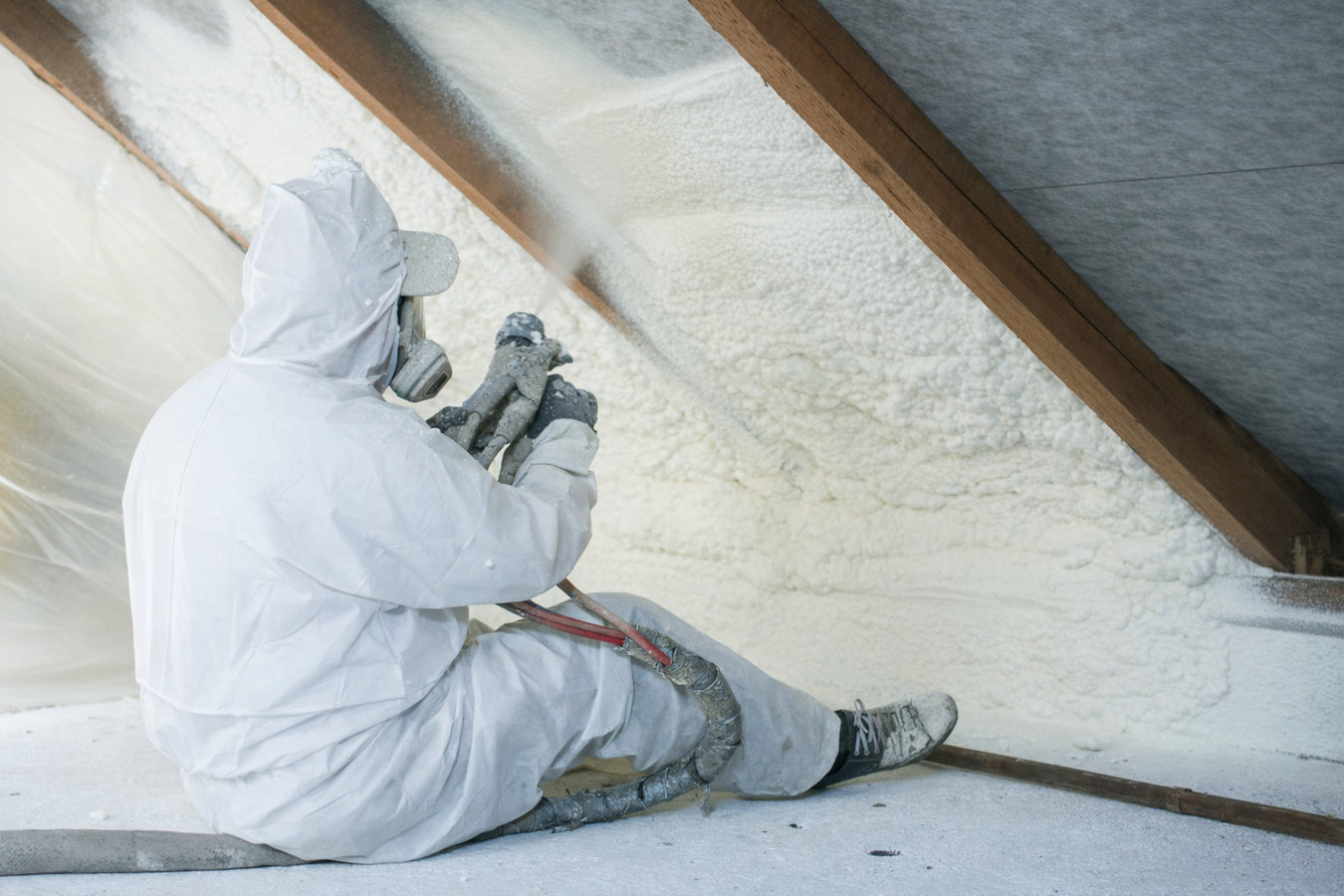
Cold floors, high bills, or moisture under your home? Closed-cell foam seals gaps and stops heat loss in one application - built for Walla Walla's climate.
Closed-cell foam insulation in Walla Walla is sprayed as a liquid and expands into a dense, rigid foam that seals air gaps and resists moisture at the same time - most residential jobs cover a crawl space, attic, or rim joist area in one to two days and the foam is fully cured within hours.
Unlike fiberglass batts or blown-in loose fill, closed-cell foam hardens into a solid layer that does not shift, sag, or absorb moisture over time. That combination of high insulating value per inch and built-in air sealing makes it particularly well suited to Walla Walla homes, where summer heat and winter cold both put pressure on the same building envelope. Older homes in Walla Walla - especially those built before the 1980s - often have crawl spaces and rim joists with no insulation at all, and irregular framing that traditional materials cannot fill properly.
Closed-cell foam is one option within a broader range of spray foam choices. If you are comparing materials or trying to decide what fits your budget and space, spray foam insulation covers the full picture, including how closed-cell compares to open-cell options for different applications.
If your kitchen or living room floor feels noticeably cold through socks on a winter morning, the crawl space beneath is likely uninsulated or poorly sealed. Walla Walla winters are cold enough that an unprotected crawl space acts like a refrigerator under your home - and the floors above bear the full effect.
Walla Walla summers regularly push triple digits, and if your air conditioner runs almost constantly without keeping the house comfortable, heat is getting in through an under-insulated attic or through gaps in the building envelope. When insulation is thin or missing, your cooling system fights the structure itself - not just the air coming through doors and windows.
Condensation on pipes, a faint musty smell in the house, or soft spots in flooring above a crawl space all signal that moisture is building up below. Left alone, this leads to mold and wood rot. Closed-cell foam applied to crawl space walls and the rim joist stops the moisture cycle before it causes structural damage.
If you are turning a garage, carriage house, or unfinished attic into a livable space - which is common in Walla Walla's wine country - the insulation you choose will determine whether that room is actually usable in July and January. Closed-cell foam handles both temperature extremes and moisture in a single application.
We install closed cell spray foam in the areas of your home where it delivers the most impact. For crawl spaces, we apply foam to the foundation walls and rim joist, creating a sealed, conditioned space that holds a stable temperature year-round and keeps ground moisture from rising into the floor structure. For attics, foam applied to the roof deck or knee walls locks out summer heat and winter cold at the point where the building envelope is most vulnerable. Both applications hold their position for the life of the home and do not require the periodic top-up that blown-in materials sometimes need. This also pairs naturally with open-cell foam insulation, which is a softer, less dense material suited to interior walls and spaces where a vapor barrier is handled separately.
We also install closed-cell foam in detached structures - garages, outbuildings, and accessory dwelling units - which is a common project in Walla Walla's wine country where homeowners convert carriage houses and guesthouses into rentable space. Every job starts with an on-site visit so we can assess the specific space, look for existing moisture issues, and give you a real quote based on what we actually see. For homeowners weighing foam against traditional options, spray foam insulation covers a broader comparison of materials and applications.
Best for homes with uninsulated crawl spaces where moisture and cold floors are both problems - foam handles both in one application.
Suited for homes with cold corners in floors above - the rim joist is often the single biggest air leak in an older Walla Walla home.
Ideal for garages, carriage houses, and guesthouses being converted to livable space - foam makes a previously uninsulated structure comfortable year-round.
Walla Walla sits in a semi-arid inland valley where summer highs regularly push past 100 degrees and winter nights drop well below freezing - a temperature range of more than 120 degrees across the year. That puts a level of thermal stress on your home that mild-climate insulation choices are not built to handle. Closed-cell foam's combination of high R-value per inch and airtight seal makes it one of the most effective single upgrades for homes in this climate. A significant share of Walla Walla's housing stock was built before modern energy codes and has little or no insulation in crawl spaces, irregular framing that batts cannot fill, and rim joists that leak cold air through every winter. The Spray Polyurethane Foam Alliance sets training and installation standards for foam contractors nationwide - asking about a contractor's familiarity with those standards is a reasonable question.
Walla Walla's wine country economy has also driven a wave of outbuilding conversions - carriage houses, detached garages, and guesthouses being turned into rentable space. These structures were rarely built with any insulation, and they are genuinely uncomfortable in July heat and January cold without it. We regularly install closed-cell foam on conversion projects throughout College Place and Milton-Freewater, where older properties with outbuildings are common and the climate conditions are nearly identical to Walla Walla proper.
We respond within 1 business day. We will ask what area of the home you want insulated, your home's approximate age, and any specific problems you have noticed - so the contractor comes prepared to assess the right things.
The contractor walks the area to be insulated, measures square footage, checks for moisture, and looks at access conditions. A written estimate follows within a day or two. There is no cost or obligation for this visit.
Before installation day, move any stored items out of the crawl space, attic, or work area. The crew will protect surrounding surfaces with sheeting. Plan to stay out of the treated area during the actual spraying.
The crew sprays the foam, checks thickness across the surface, and cleans up before leaving. Your contractor will give you a specific re-entry time - typically two to four hours for most spaces - and document the finished work before they go.
Free on-site estimate, written quote, no obligation. We respond within 1 business day.
(509) 516-0681Closed-cell foam pricing depends heavily on the specific space - its size, access conditions, existing moisture, and what needs to happen before foam goes in. We will not quote you a number over the phone that changes once the crew arrives. Every estimate is based on an actual site visit so you know what you are agreeing to.
Walla Walla's spring snowmelt and valley irrigation activity can raise ground moisture under homes in ways that are not obvious from above. We check for moisture during every estimate visit and flag it honestly if it needs to be addressed before foam is applied - because trapping moisture behind insulation creates a far more expensive problem.
Many Walla Walla homes were built before modern energy codes and have crawl spaces, rim joists, and framing gaps that standard installation approaches skip over. We have worked on the full range of local housing - from mid-century homes near downtown to outbuilding conversions for wine country properties - and we know how to handle what we find.
Our crews have years of hands-on foam experience across the Walla Walla area, from crawl spaces to rim joists and attics. We coordinate any permits your project needs and document every job, so the work is done to code and you have a record of what was completed.
Closed-cell foam is one of the more expensive insulation materials, which means poor workmanship costs more to correct here than with other products. We treat every job as a one-time installation meant to last for the life of the home, backed by a free written estimate and documented work.
A softer, more flexible foam suited to interior walls and spaces where a separate vapor retarder is used - often the right trade-off when budget and application matter.
Learn MoreThe full overview of spray foam options for Walla Walla homes - covering both closed and open-cell applications and how each performs in this climate.
Learn MoreInstallation slots fill up once temperatures start climbing - get on the schedule now before the summer rush arrives.