
Loading...
Serving Walla Walla, WA and surrounding areas. (509) 516-0681
If your floors are cold in winter or rooms above the basement feel impossible to heat, the fix often starts below. We assess, quote, and install.
Basement insulation in Walla Walla creates a thermal barrier between your cold foundation and your living space, stopping heat from escaping through uninsulated walls and ceiling joists - most jobs take one to two days and homeowners notice the difference within the first cold night.
An uninsulated or under-insulated basement is one of the most common sources of heat loss in Walla Walla homes. Because cold air is denser, it settles in the basement and constantly pulls warmth down from the rooms above - your furnace works harder to compensate, but the source of the problem stays untouched. Basement insulation in Walla Walla solves the problem at the foundation rather than fighting it from above.
For homes where the basement is also damp, proper insulation is closely connected to moisture control. A crawl space insulation or vapor barrier assessment often goes hand in hand with basement work - and a good contractor will check for moisture before any material goes in.
If walking across your kitchen or living room floor in January feels cold underfoot even with the furnace running, heat is escaping through an uninsulated or deteriorated basement ceiling. Walla Walla winters are cold enough that this shows up as an unmistakable daily discomfort - and it is one of the most fixable problems in a home.
If your gas or electric bills have crept up over the past few winters and nothing obvious has changed in your home, poor basement insulation is one of the first things worth checking. Heat loss through an uninsulated foundation is invisible but steady - and Walla Walla's December and January cold snaps make the gap especially expensive.
Each spring, snowmelt from the Blue Mountains and irrigation runoff in the valley can raise moisture levels in the soil around your foundation. A damp smell, condensation on basement walls, or small water stains appearing after wet weather signal that moisture needs to be addressed before any insulation goes in.
If you can see into your basement ceiling joists and the insulation looks thin, fallen, or chewed in places, it is no longer doing its job. Pest activity - not uncommon in older Walla Walla homes - can damage insulation over time, and compressed or sagging material loses most of its ability to hold heat.
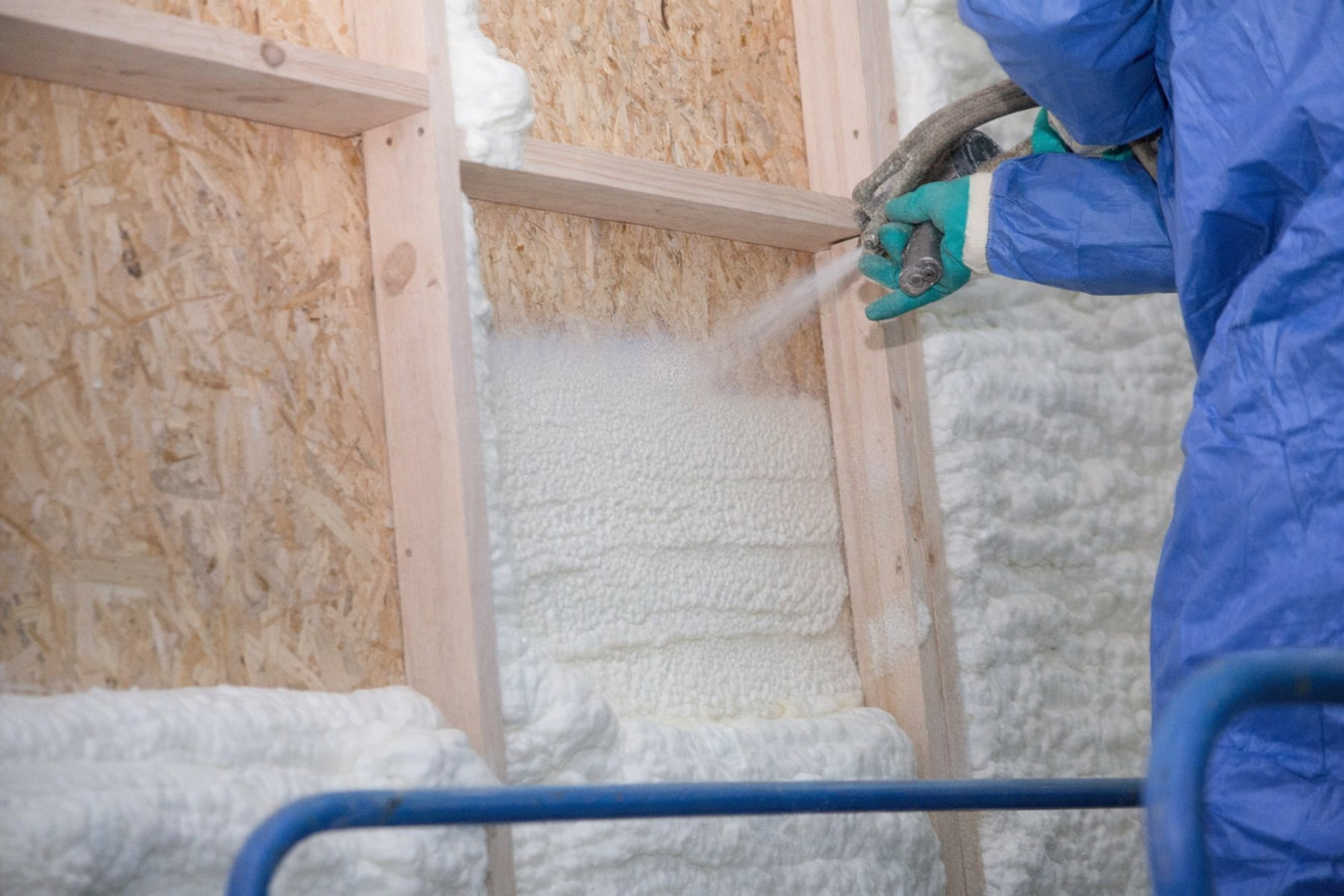
We install basement insulation throughout Walla Walla using the approach that fits your specific space. For unfinished basements where the goal is to keep heat in the rooms above, we insulate the ceiling joists - placing material between the wooden beams under your living floor so cold air from the basement never reaches your rooms. This is a practical, cost-effective solution for basements used mainly as storage. For homeowners finishing their basement or wanting to protect pipes from freezing, insulating the foundation walls brings the entire basement into the home's heated envelope, which pairs naturally with closed-cell foam insulation on walls and rim joists for a tight, durable result.
Every basement job includes an assessment of current conditions before any material is quoted or installed. We check for moisture, look at what is already there, and tell you honestly whether existing insulation is worth keeping or needs to come out first. Many jobs benefit from pairing the basement work with a broader look at the home through crawl space insulation if the home has both - since both spaces contribute to the same heat loss problem in Walla Walla's climate.
Best for unfinished basements where the goal is keeping heat in the living floors above without conditioning the basement itself.
Suited for finished basements, spaces with pipes to protect, or homeowners who want the entire basement within the home's heated zone.
Ideal for homes with cold corners on the floor above - the rim joist is one of the most overlooked sources of heat loss in older Walla Walla homes.
Walla Walla sits in a high desert valley where winter temperatures regularly drop into the low 20s and summer highs push well past 100 degrees. That range puts your home's foundation under thermal pressure in both directions - cold pushing up through an uninsulated floor in January, heat radiating through unprotected walls in August. A large portion of Walla Walla's housing stock was built before modern energy codes required basement insulation, particularly in the historic neighborhoods near downtown. If your home was built before the 1980s, the basement is likely the part of the house that has changed the least since it was built. The U.S. Department of Energy notes that basement insulation is one of the highest-impact improvements homeowners in cold climates can make.
Soil moisture is a particular concern in this valley. The extensive irrigation infrastructure for Walla Walla's vineyards and agriculture, combined with spring snowmelt from the Blue Mountains, can raise the moisture level around foundations in ways that are not obvious from the surface. We regularly work on basement insulation projects in College Place and Burbank as well, where older construction and seasonal moisture create very similar basement conditions. In every case, we check for dampness before any insulation is installed.
We respond within 1 business day. We will ask a few basic questions - your home's age, whether the basement is finished or unfinished, and any problems you have noticed - so the contractor comes prepared for the visit.
A contractor visits to look at the basement in person, check existing insulation, inspect for moisture, and measure the space. You receive a written estimate that explains the work, the materials, and the cost in plain language - no pressure to decide on the spot.
Before the installation day, move stored items away from basement walls and ceiling. You do not need to do anything technical - just give the crew room to work safely. Your contractor will remind you of anything specific to your home.
Most basement insulation jobs take one to two days. When the work is done, the contractor walks you through what was installed and answers questions. The crew cleans up before leaving, and there is no curing period - your home is ready to use right away.
Free estimate, written quote, no obligation. We respond within 1 business day.
(509) 516-0681Walla Walla's spring snowmelt and agricultural irrigation can raise ground moisture around foundations in ways that are not obvious from the surface. We check for dampness during every estimate visit and tell you clearly if anything needs to be resolved first - so you are not trapping a problem behind new insulation.
Every project gets a written estimate that explains the work, the materials, and the cost in plain terms. You will not be handed a number with no context. If we find something unexpected during the assessment, we tell you before any work begins - not after the crew is already there.
Our crews have years of hands-on insulation experience across the Walla Walla area, including finished and unfinished basements. We coordinate any permits your project needs and document every job, so the work is done to code and you have a record of what was completed.
A large share of Walla Walla's housing stock was built before modern energy codes - and older homes have quirks that standard approaches miss. We have worked on the full range, from mid-century craftsman bungalows near downtown to newer builds on the city's east side, and we know how to handle what we find.
This matters because basement insulation done poorly - over moisture, with gaps, or with the wrong material for a finished space - costs more to fix than to do right the first time. We aim to be the contractor you call once and do not have to think about again, with a free written estimate and documented work on every job.
A dense, rigid foam that seals rim joists and foundation walls while acting as a moisture barrier - often the best material choice for basement wall applications.
Learn MoreFor homes with a crawl space rather than a full basement, floor joist insulation and encapsulation solve the same cold-floor problem from a different foundation type.
Learn MoreWalla Walla's cold season comes fast - getting on the schedule now means warmer floors and lower bills before the first hard freeze.