Loading...
Serving Walla Walla, WA and surrounding areas. (509) 516-0681
If your upstairs rooms bake in summer and your heating bill climbs every winter, gaps in your attic floor are likely the cause. Sealing them closes the pathway so your home finally holds the temperature you set.
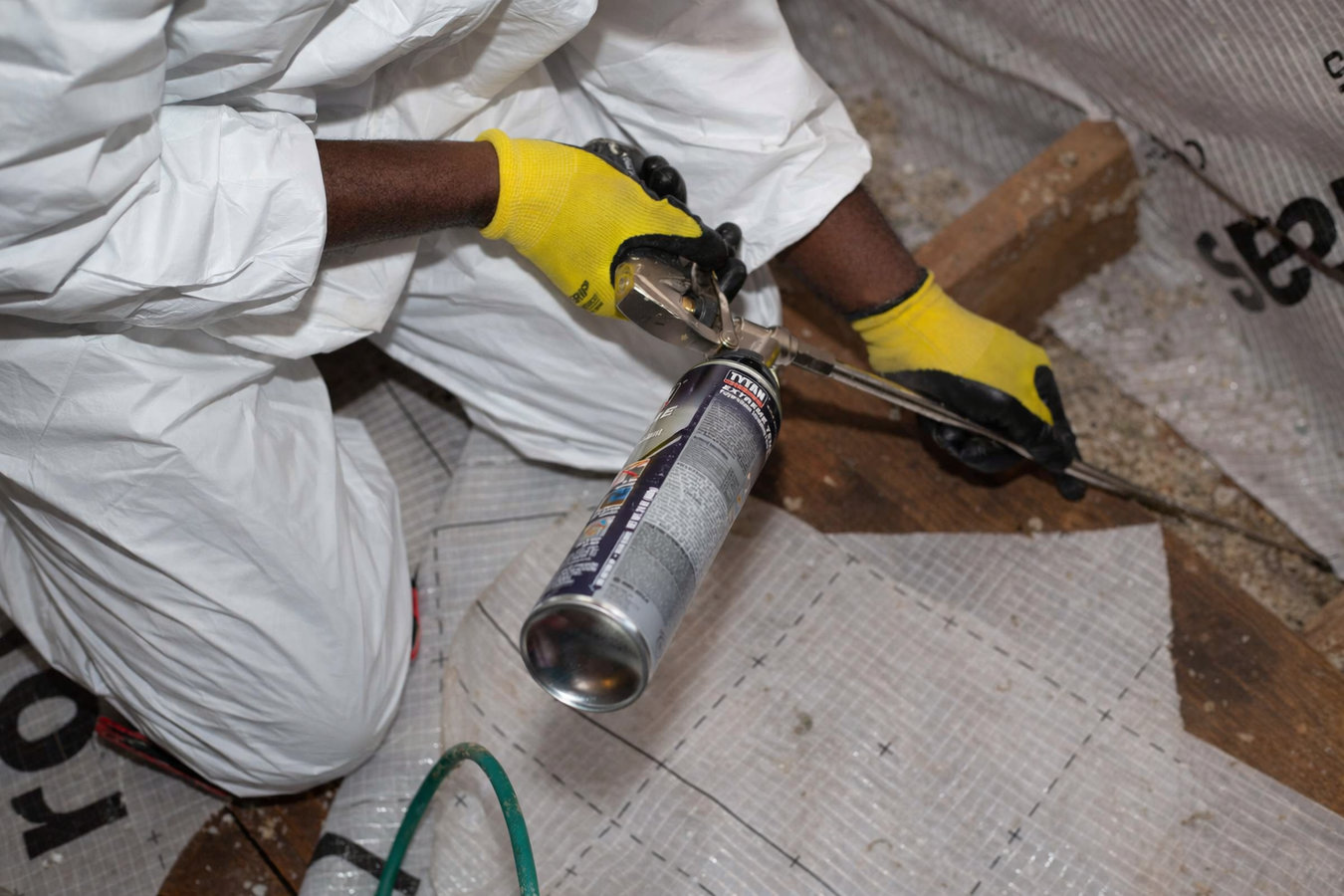
Attic air sealing in Walla Walla means a crew finds every gap, crack, and penetration in your attic floor - around light fixtures, plumbing stacks, and wiring - and plugs them with foam or caulk so conditioned air stays in your living space, with most single-family jobs completed in a single day.
Walla Walla sits in a climate where winters push into the 20s and summers regularly exceed 95 degrees, meaning your heating and cooling systems work hard for months at a time. If your attic floor has unsealed gaps - and in older Walla Walla neighborhoods it almost certainly does - warm air escapes in winter and superheated attic air pours into your living space in summer no matter how hard your HVAC runs. Many homes near downtown and in the College Place area were built before energy efficiency was part of the design, and their attic floors are full of openings that have never been touched.
Air sealing works best when paired with adequate insulation above the sealed gaps. If your attic also needs more coverage, our retrofit insulation service can be scheduled in the same visit. For a whole-home approach, our broader air sealing services address gaps throughout the entire building envelope, from the basement rim joists to the attic floor.
If your gas or electric bill climbs dramatically from October through March - even in years when you have not changed your thermostat habits - conditioned air is likely escaping through your attic floor. Walla Walla winters are cold enough that a leaky attic can add hundreds of dollars to your annual heating costs. If your bills feel out of proportion to your home size, attic air sealing is one of the first things worth investigating.
If the upstairs rooms directly below your attic are noticeably hotter in summer than the rest of the house, the attic floor above them is letting air pass freely. In Walla Walla, where July temperatures regularly exceed 95 degrees, a poorly sealed attic can make top-floor rooms genuinely uncomfortable even with the air conditioning running. This is one of the most common complaints homeowners describe before getting air sealing done.
Walla Walla sits in an agricultural valley where dry winds carry wheat dust, vineyard pollen, and fine soil particles for much of the year. If your home collects dust faster than it should, air may be pulling in through gaps in your attic floor and carrying that outdoor particulate with it. This is especially noticeable in homes with older recessed light fixtures, which are common entry points for both air and debris.
If you have a pull-down attic stair or a ceiling hatch in a closet, stand near it on a cold winter day and feel for a draft. Many Walla Walla homes have hatches that were never insulated or sealed, and they act as direct openings between your living space and the cold attic above. If you can feel cold air coming down or see light around the edges, that gap is costing you money every day of the heating season.
Every job starts with a blower door test - a large fan mounted in your front door that measures how much air your home leaks overall. That number gives you a real baseline before any work begins, and we run it again after the job so you have proof of the improvement in your hands. The crew then works through the attic floor systematically, applying two-component foam to large openings like top plates, plumbing chases, and framing gaps, and caulk to smaller penetrations around wires and fixtures. We do not skip corners or leave the hatch unsealed - the work covers every entry point, including the attic access panel itself.
Many homeowners combine attic air sealing with insulation in the same project. Our retrofit insulation service adds blown-in material on top of the sealed attic floor on the same day the sealing is done - sealing first ensures the insulation above it actually works. For homeowners who want to address the full building shell, our air sealing services package extends the same approach to rim joists, crawl space transitions, and other gaps throughout the home.
Best suited for homeowners focused on the ceiling plane - stopping heat loss and air exchange between living space and attic, with before-and-after blower door documentation included.
Best suited for homes where the attic floor needs both sealing and additional blown-in coverage - both done in one visit so the insulation performs at its rated value from day one.
Walla Walla's semi-arid inland climate creates a two-direction energy problem. From November through March, your furnace works hard to maintain indoor temperatures while cold attic air above a leaky ceiling constantly pulls heat out of your living space. From June through September, your attic turns into a heat collector - temperatures in an unventilated attic can reach extreme levels on a 95-degree day - and every gap in the attic floor becomes a path for that heat to pour down into your home. Homeowners here get more financial return from air sealing than people in milder climates because the temperature difference between inside and outside is large for more months of the year. The U.S. Department of Energy estimates that sealing air leaks and adding insulation together can cut heating and cooling costs by up to 15 percent for a typical home - and in Walla Walla's climate, that savings adds up over a long heating and cooling season.
A significant share of the housing stock in Walla Walla - particularly in established neighborhoods around Walla Walla and nearby College Place - was built before 1980, when energy efficiency was not a design priority. These homes typically have older wiring, plumbing stacks, and ceiling fixtures that were never sealed around when they were installed. That means the attic floors of these homes are often full of gaps that have been leaking air for decades. The additional benefit in the Walla Walla Valley is air quality: the region is surrounded by wheat fields, vineyards, and orchards, and a sealed attic floor stops agricultural dust and seasonal pollen from being pulled into your home through the ceiling every time indoor air pressure changes.
We ask a few basic questions - the age of your home, whether you have noticed comfort or energy bill issues, and whether any previous insulation work has been done. You can expect a reply within one business day to confirm your assessment appointment.
We inspect your attic, identify visible gaps and penetrations, and run a blower door test to measure your home's current air leakage rate. This gives you a real number before any money changes hands - not a contractor's estimate, but an actual measurement.
You receive a written estimate covering the full scope, total cost, and whether the project qualifies for Avista rebates or federal tax credits. Take your time reviewing it - there is no pressure, and getting a second quote is always a reasonable step.
The crew works in your attic - most single-family Walla Walla homes are completed in four to six hours. After sealing, we run the blower door test again. You receive documented before-and-after results plus any paperwork needed to claim your rebate or tax credit.
Free estimate, no pressure. We reply within one business day and can usually schedule within a week or two.
(509) 516-0681We run a blower door test before we start and again when we finish - every time, on every job. That gives you a real number showing exactly how much air leakage was reduced. Most contractors skip this step. We include it because you deserve to know what you paid for, not just take our word for it.
Our crews have years of hands-on air sealing experience in Walla Walla homes. Every job starts with a free written estimate, and we document the work we complete so you have a clear record of what was done on your roof and in your attic.
We know Avista Utilities' rebate documentation requirements because we have worked through them on multiple Walla Walla projects. We set up each job so the paperwork is correct from the start - you do not have to chase down missing documents after the fact or lose your rebate over a technicality.
Older homes in Walla Walla's historic neighborhoods have more gaps to seal than newer construction - older wiring routes, original plumbing stacks, and ceiling fixtures that have never been touched. We know where to look in these homes and how to seal them properly so the improvement is real, not cosmetic.
Every one of these points comes back to the same thing: you should be able to verify what you paid for. We do the testing, we know the local programs, and we work in the homes this market is actually built from.
Add blown-in or foam insulation to your existing home without tearing out walls - the natural next step after sealing your attic.
Learn MoreWhole-home air sealing addressing gaps throughout the building envelope, not just the attic floor.
Learn MoreBeat the next heating season - most jobs are done in a single day, and Avista rebates may reduce your out-of-pocket cost. Call or request a free estimate now.